History
Summary
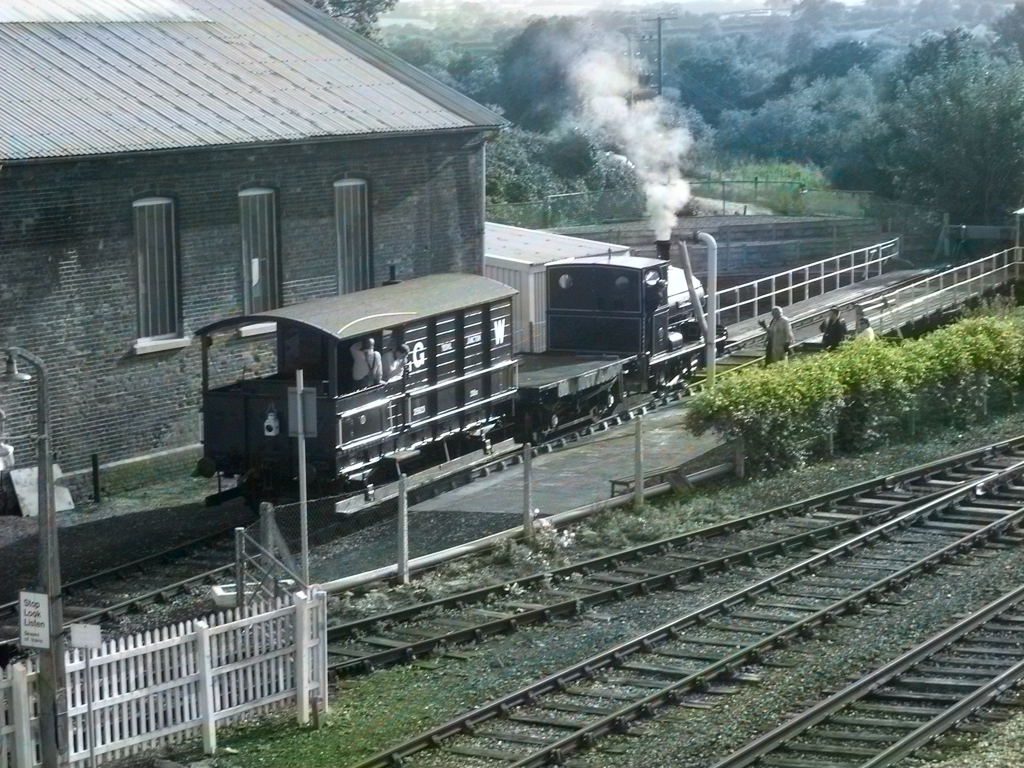
SOUTH WEST MAIN LINE STEAM COMPANY was formed in 1994 with an aim to preserve mainline steam visits, this then progressed to give steam train rides and educate about railway history. With the construction of a water tower, engine shed, creation of a visitors center and museum alongside our own heritage railway line.
Historical Milestones
1993/4
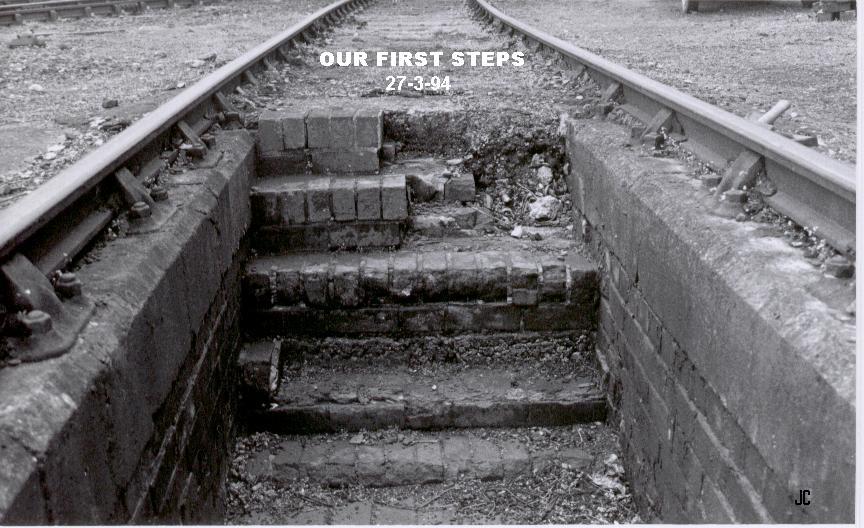
The removal of the turntable would have meant that steam would have been discouraged from this part of the West Country and a group of concerned individuals called a meeting which was held on 17 January 1994 at the RAFA Club in Sherborne, Dorset to discuss the way ahead. Enthusiastic support led to the forming of the South West Main Line Steam Group with the aims of preserving the turntable and providing the infrastructure to encourage main line steam (water facilities, undercover accomodation). The Group was successful in achieving Charitable status and turned itself into a Company limited by guarantee. Along with it's main line steam aims, the Company is required to further public education in 19th and 20th century railways particularly in the London and South Western Railway Company.
After a short term lease was agreed to allow work on site to begin a 99 year lease was signed covering the old Clifton Maybank branch and the turntable.
The first job undertaken was the renovation of the locomotive inspection pit. The turntable followed (first working party 21 June 1994) and when the vacuum mechanism was renovated the manual pushing round of engines could cease. Fortunately this was achieved relatively easily as the turntable was in a satisfactory condition. The only problem now is that air braking of locomotives is increasingly common and so, on occasions it's back to the brute force method!
The provision of permanent watering facilities has taken rather longer to complete. After some searching, a disused water tank and staging was located at the Morlands factory site just outside Glastonbury, Somerset. After preparatory work this was lifted to the ground on 13 July 1994 and dismantled with the parts being delivered to Yeovil. The panels had to be individually renovated and repaired as necessary with the fixings also receiving attention. Re-assembly started during Spring 1996. At the time of writing (11/2000) walkways around the tank and handrails are complete with only lower walkways near the control valves remain to be completed. An easier access ladder was installed in 2007, completing the work (until repainting is required)!
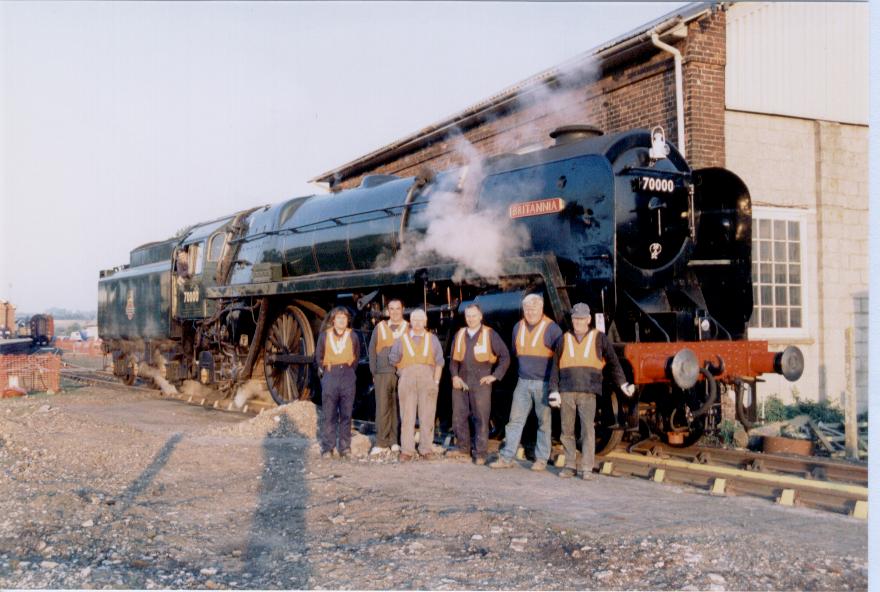
On 6 September 1994, 35028 Clan Line became the first engine to use the turntable under the new Steam Company. Watering was carried out using a loaned tanker and hired-in pump.
1995
The Committee considered that the site would benefit from its own steam locomotive and after some searching agreement was reached with 6000 Locomotive Association to move their Peckett 0-4-0 engine "Pectin" and a GWR Toad brakevan to the site. "Pectin" had just been fully overhauled and was looking for a kind home following the departure of the Association from their long-term residence at Bulmers Cider in Hereford. The move was financed by the Yeovil Locomotive Register in January 1995 with South Somerset District Council also helping to set up brake van rides with a generous grant.
The Clifton Maybank branch had long been neglected, having been closed as a running line in June 1937. Volunteers undertook a significant amount of trackwork so that the branch did not connect directly into Railtrack lines. Ironically this restored the layout of many years ago! Additionally rotten sleepers were replaced by ones dumped during the singling of the main line in the 1960's on land now leased by the Steam Company. The official re-opening of the Clifton Maybank branch took place on 5 November 1995 when "Pectin" and the brakevan proceeded very gingerly down to the bufferstops!
On 16 & 17 December 1995 the first Santa Specials were run - these have become a regular and popular feature ever since although Santa's Grotto has improved over the years!
Work also began to relocate and build a water tower for main line steam locomotives.
1999
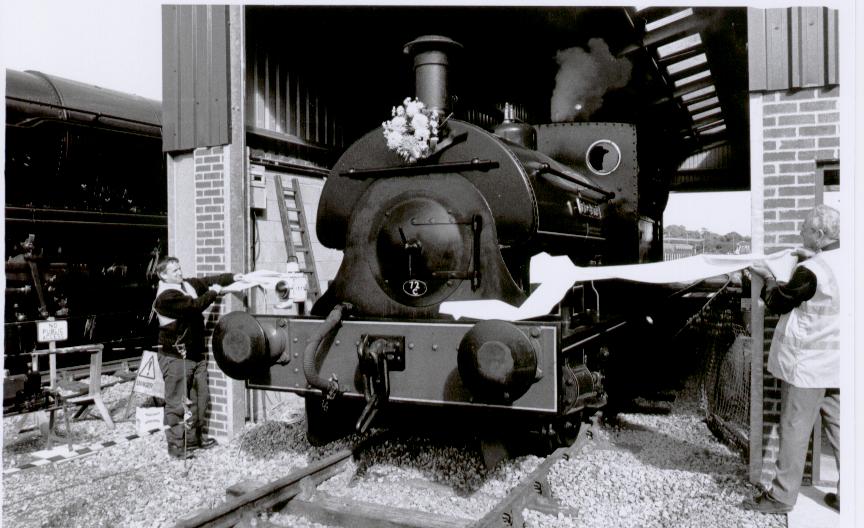
Opening of the Engine Shed on 2 October 1999
2002
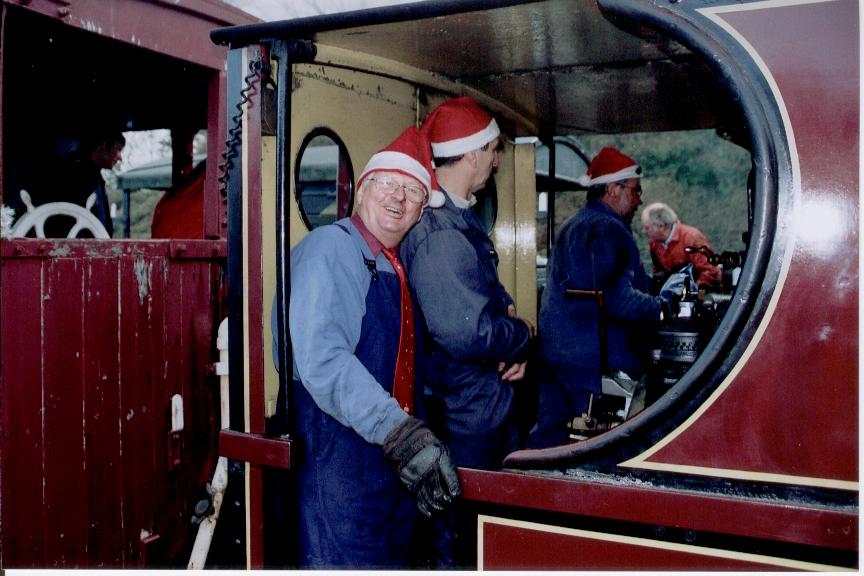
The Transfer Shed, adjoining the main site, had always appeared to offer a great deal for the Company in the way of covered accomodation although it had been occupied by an Engineering Company for many years. Border Engineering vacated the building, and after negotiations with Spacia (Railtrack's estate agency), SWMLSCo took a rolling short-term lease from 1 July. Lots of repairs and cleaning were required to enable it to be used by the public. A reduced rent of £250pm was agreed for the first 4 years, thereafter increasing to £500pm. This decision required an act of faith to take on a building erected in 1864 to transfer goods from broad gauge to standard, and the commitment to making the rental payments. Many hundreds of hours were put in to make the building acceptable for the Santa Specials in December.
Round about this time four engines were purchased from Somerset & Dorset Locomotive Company, consisting of a Ruston (Ruston Group), 2 Fowlers, one for spares (Ron Weston) and a third Fowler (SWMLSCo). After dismantling, the frames and motors etc were transported onto site. The locos had spent several years in the open as part of the Shropshire Collection and their appearance had suffered as a result. Work also continued on various wagons.
For the first time, Santa was accommodated in the warm Transfer Shed which was appreciated by the 1000 or so visitors (and by Santa and his helpers!).
Mid-late 2000's
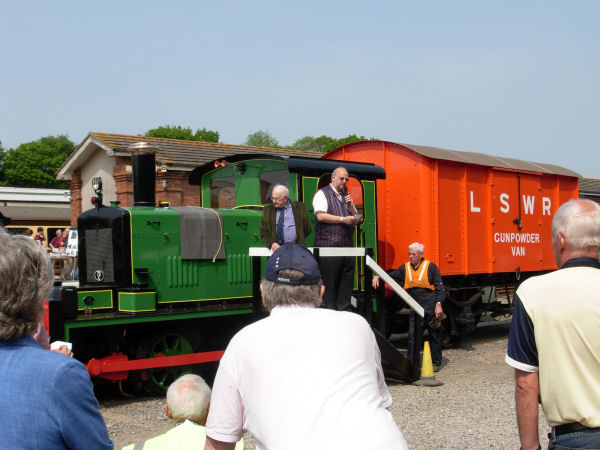
Worked continued to improve the site with Pectin being overhauled and "Cockney Rebel" going into service. Other investments include restoration of a crane and concreting the engine shed floor. 50050 “Fearless" arrives at YRC. Generally work goes into to create a safe running line and develop the transfer shed into a visitors center.
2010's
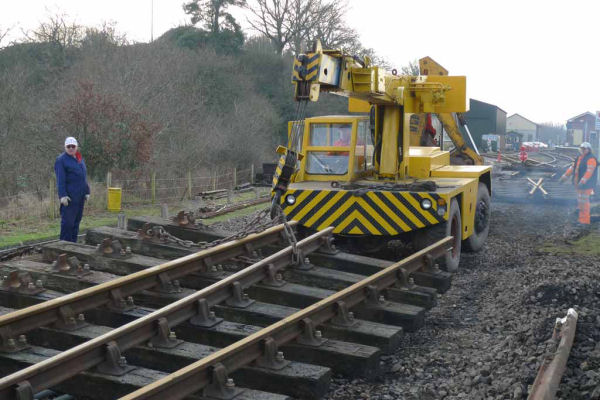
July 2010 saw the Yeovil 150 rail festival, Sam running and driving under own power. 2011 saw the arrival of “lord Fisher” a coal store was built. With 2013 having a large scale track moving project to slew the main running line and the arrival of a coach. The expansion of site facilities though 2014-2015 with 3 storage containers and a new office. 2015 saw the departure of 50050 to be restored for mainline use. 2018 the new model railway room was built.
2020's
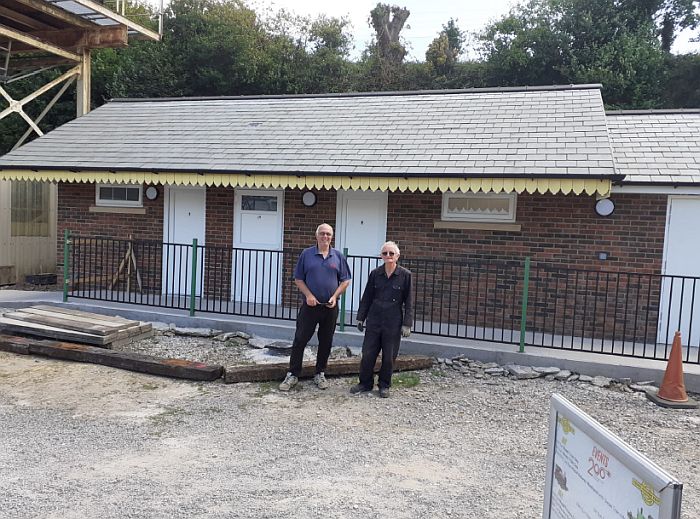
Following on from COVID, a signalling museum was created around the Chard Junction signal Panel. The museum was set up on the mezzanine level of the transfer shed with everything organised and well displayed. A shelter was constructed for the miniature railway, the gardening team get there own polytunnel and shed space. 2025 the toilet block went live, making a massive difference to the visitor experience.