Museum
Transfer shed
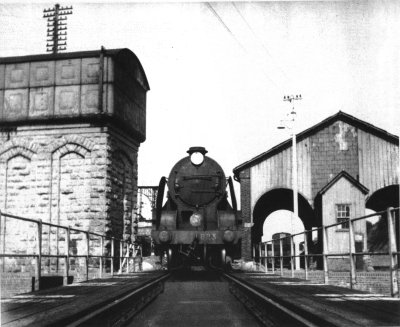
Built in 1864 by Great Western Railway (GWR), this building is historic and Grade 2 listed. With GWR being broad gauge (7ft - actually 7ft.01/4 in) and London & South Western Railway (LSWR) standard or narrow gauge (4ft 81/2 in), their wagons could not run on each others lines and therefore it was necessary to manually transfer the loads. Situated at the end of the Clifton Maybank branch (which diverged from Yeovil Pen Mill to Weymouth line), the Shed opened on 13 June 1864. The set up comprised a covered, but open ended, Transfer Shed and Shed Masters office and outside loading dock.
On 1 July 2002, Yeovil Railway took a lease on the building, after the departure of Border Engineering. Its now home to our Museum & Visitors centre.
Cafe
Pectin's Pantry
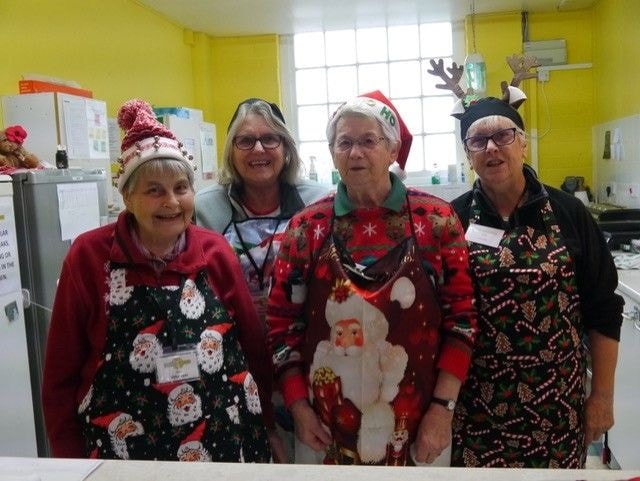
Our volunteer run Cafe is based in our Transfer shed. We have you covered with our popular full English breakfasts though to a range of light lunch options. With hot and cold drinks though to cake and snacks at most of our events you wont go hungry.
On summer special events such as tractor weekend we may also have a BBQ in our events Field.
For any special/specific requests or to join our catering team please get in touch. All catering subject to availability and will be depended on the event.
Signalling
Chard Junction signal panel
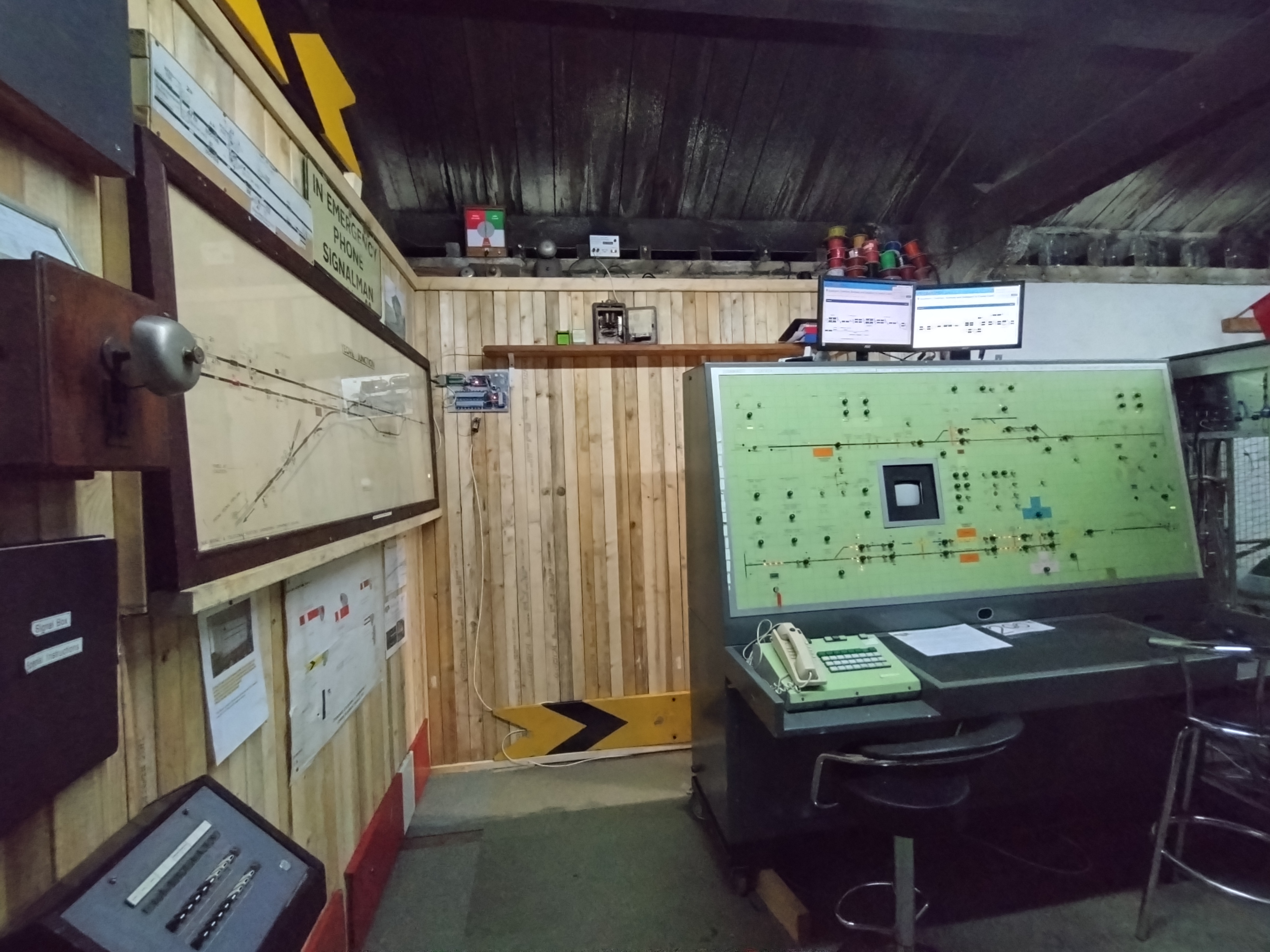
This panel, including the crossing at Axminster, and Axminster Station was brought into use on 27th November 2009 after the doubling of the line through Axminster Station. Chard Junction Signalbox finally closed at 0115hrs on 10th March 2012. The panel was removed and taken to Yeovil Railway Centre.
Work started in 2019 to make an interactive exhibit
During 2023, operational limitations of the current housing was discovered, leading to a new a new electronics cabinet being collected and installed.
The Chard Junction signal panel is progressing well thanks to the help of Ian who is able to help program the Axminster section of the panel using JMRI.
2024 has seen some much needed assistance in the form of three new volunteers helping to develop the panel, but more help is always welcomed.
The next stage, while programming continues, is to reinstate the analogue system, this links the panel to a demonstration model to show how the system was used on the mainline.
There is plenty more to be done with the museum space to gain many more interactive signalling related exhibits as time and funds allow.
Local and historical collections
Railwayana
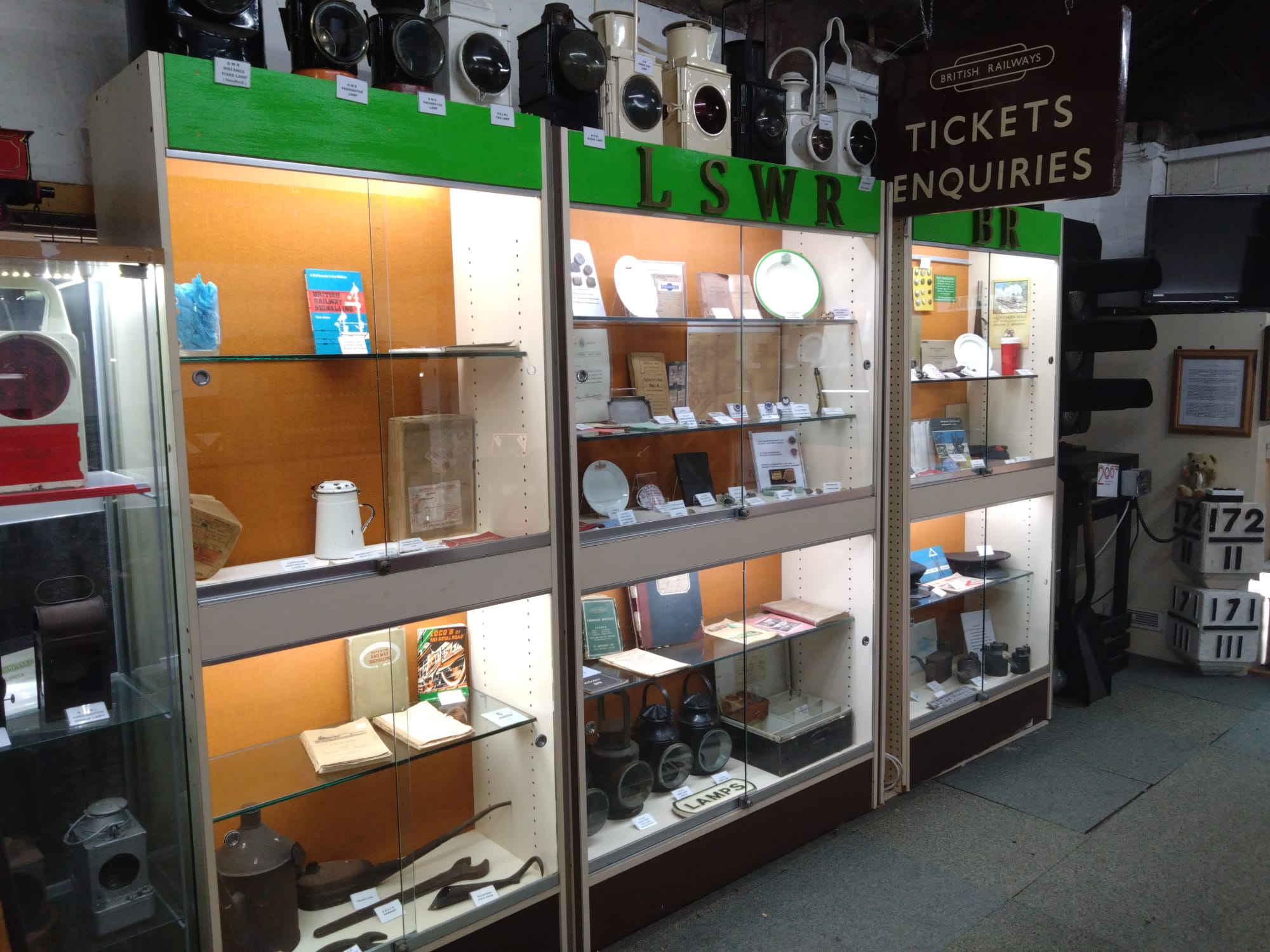
Located on our Mezzanine floor is our dedicated museum space, this is full of local and general railwayana. You will find the rest of our site is decorated up with original signs, various platform equipment and local historical artifacts.